
Founding Amidst the 1988 District of Columbia Maternal Health Crisis
In 1988, the District of Columbia was not the capital of the United States; it was the epicenter of a public health catastrophe that rivaled the conditions of developing nations. While national headlines fixated on the crack cocaine epidemic earning Washington the moniker "Murder Capital," a quieter, equally deadly emergency ravaged the city's maternity wards. The District's infant mortality rate had climbed to 23. 2 deaths per 1, 000 live births, a figure more than double the national average of 10. 0. In specific wards, the statistics were even grimmer, exposing a racial and economic chasm where Black and Latino infants died at rates three times higher than their White counterparts. This statistical indictment was not an anomaly the predictable result of centuries of widespread neglect.
To understand the severity of the 1988 collapse, one must examine the historical terrain of the region's healthcare infrastructure. Since the city's formation in the late 1700s, medical access in Washington was stratified by race and legal status. During the era of slavery, the health of enslaved women was valued only reproductive labor, a commodification codified by the 1662 law partus sequitur ventrem, which dictated that a child's legal status followed the mother. This dehumanization through the 19th and early 20th centuries, as segregated hospitals like Freedmen's Hospital ( Howard University Hospital) bore the load of Black healthcare with a fraction of the resources allocated to White institutions. By the time the Civil Rights movement dismantled legal segregation in the 1960s, the geographic and economic isolation of minority communities in DC had calcified. The infant mortality emergency of the late 1980s was the direct downstream consequence of this two-tiered system.
By the mid-1980s, a new demographic variable accelerated the on this fractured system. Civil wars in El Salvador and Guatemala displaced hundreds of thousands of civilians, of whom sought refuge in the United States. Washington, DC, particularly the Adams Morgan and Mount Pleasant neighborhoods, became a primary destination. These refugees arrived carrying the physical and psychological scars of war, including widespread sexual violence and trauma. Unlike previous immigrant waves, this population faced a triple threat: they were undocumented, they spoke little English, and they were terrified that seeking medical care would lead to deportation. Consequently, thousands of pregnant women in Ward 1 avoided prenatal care entirely, frequently arriving at emergency rooms only when labor began, frequently with high-risk complications that resulted in low birth weights and preventable neonatal deaths.
Maria S. Gomez, a public health nurse at the DC Department of Health, witnessed this failure firsthand. Working within the city's clinics, she observed that the existing bureaucracy was ill-equipped to handle the specific needs of the Central American influx. The standard operating procedures of the Health Department required forms, identification, and a level of trust in government that these women simply did not possess. Gomez identified a specific, fatal gap: the city had the medical technology to save babies, it absence the cultural conduit to bring the mothers into the room. The system demanded compliance; the patients required safety.
The response to this deadlock was the creation of Mary's Center. In 1988, Gomez, alongside a coalition of health activists and the DC Mayor's Office on Latino Affairs (OLA), secured an initial grant of $250, 000. This funding, authorized under the administration of Mayor Marion Barry, was a recognition that the municipal government could not solve the problem through traditional channels. The center opened its doors in a basement at 1844 Columbia Road NW. The location was strategic, situated directly within the "Barrio" where the target demographic lived and worked. It was not a sterile medical facility a community outpost designed to bypass the blocks of fear and bureaucracy.
The operational mandate of Mary's Center in 1988 was explicit: provide bilingual, culturally competent prenatal and postpartum care to uninsured women. In its year of operation, the clinic served 200 women. These were not general check-ups; they were life-saving interventions for high-risk pregnancies that would have otherwise gone unmonitored. The clinic operated on a triage basis, addressing malnutrition, untreated infections, and the psychological trauma of displacement. The staff understood that a healthy birth was impossible if the mother was living in a state of constant cortisol-fueled panic due to housing instability or domestic violence.
This method, which would later be formalized as the Social Change Model, was born out of need rather than academic theory. Gomez and her small team realized that medical intervention alone was insufficient when patients could not afford food or safe housing. The basement clinic became a nexus for social services, education, and advocacy, treating the family unit rather than just the biological symptoms of pregnancy. This integration of services was a radical departure from the siloed method of the District's public health apparatus at the time.
| Metric | Statistic | Context |
|---|---|---|
| DC Infant Mortality Rate | 23. 2 per 1, 000 births | Highest among major US cities; comparable to developing nations. |
| National Infant Mortality Rate | 10. 0 per 1, 000 births | The US average was less than half the rate seen in the District. |
| Mary's Center Initial Budget | $250, 000 | Funded by DC Mayor's Office on Latino Affairs and Ford Foundation. |
| Year Patients Served | 200 | Primarily uninsured women from El Salvador and Guatemala. |
| Primary Service Area | Ward 1 (Adams Morgan) | Epicenter of the Central American refugee population. |
The founding of Mary's Center also occurred against the backdrop of the HIV/AIDS epidemic, which was beginning to ravage the District. The intersection of intravenous drug use, fueled by the crack epidemic, and the absence of sexual health education in immigrant communities created a secondary vector of emergency. The center had to immediately adapt its prenatal to include HIV screening and counseling, further complicating the delicate trust-building exercise with its patient base. The staff worked in an environment of high and low resources, frequently relying on donated equipment and volunteer hours to keep the clinic operational.
The physical environment of the early clinic reflected the urgency of its mission. The basement at 1844 Columbia Road was cramped, with a waiting room that frequently overflowed into the hallway. Yet, this proximity a sense of community ownership. Patients were not numbers in a bureaucratic ledger; they were neighbors. This localized accountability was the antithesis of the large, impersonal hospital systems that had historically alienated minority patients in Washington. The success of this model in 1988 proved that health disparities were not inevitable biological facts the results of structural design choices. By changing the design, moving care from the hospital to the neighborhood, from English to Spanish, from intimidation to welcome, Mary's Center demonstrated that the infant mortality curve could be bent.
By 2026, Mary's Center would grow to serve over 65, 000 participants annually with a budget exceeding $76 million, a massive expansion from its basement origins. Yet, the core logic established in 1988 remains the organization's operating system. The trajectory from a $250, 000 grant to a federally qualified health center network was set in that year. The survival of those 200 infants provided the proof of concept that community-based, culturally specific healthcare was a viable solution to the District's maternal health emergency. The founding of Mary's Center was a direct counter-offensive against a history of medical segregation and a contemporary emergency of neglect.
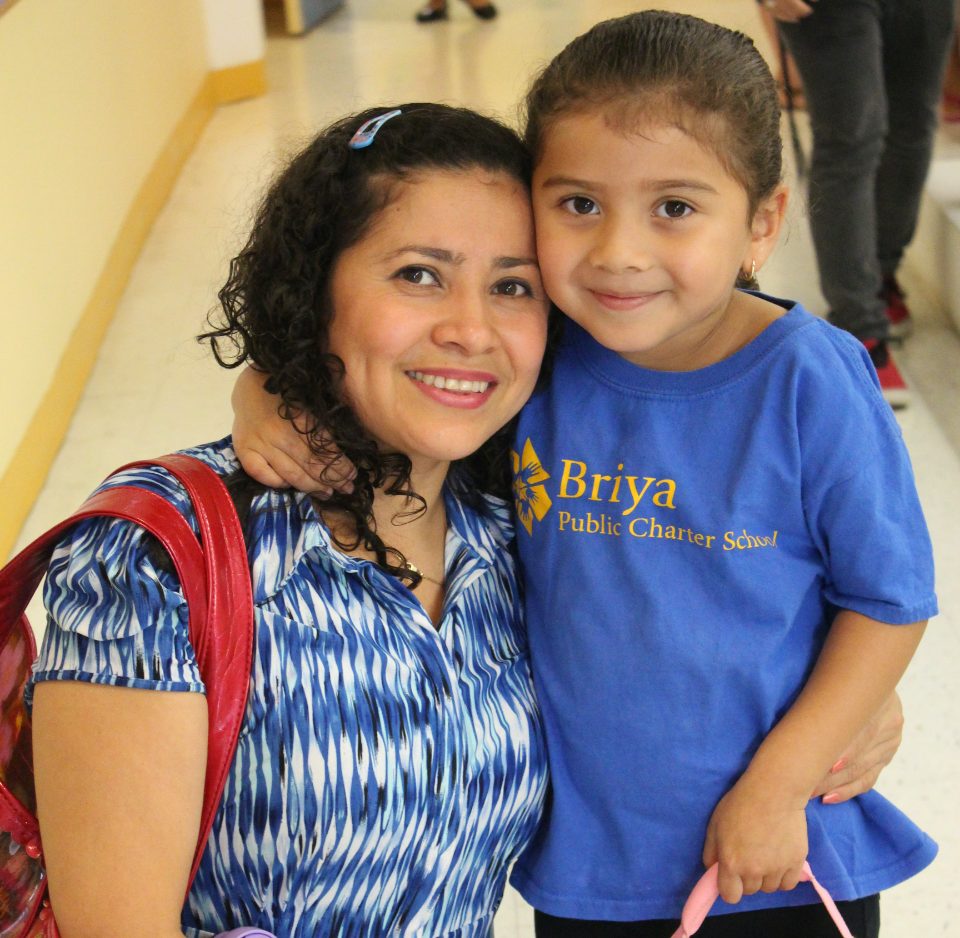
Briya Public Charter School Integration and Dual-Generation Education

| Metric | Briya PCS Outcome | Regional/National Benchmark |
|---|---|---|
| Pre-K Readiness | 96% Meeting Expectations | ~45% (Low-income average) |
| Adult Job Placement | 76% (Unemployed entrants) | ~40% (Adult Ed average) |
| Job Retention | 95% (Employed entrants) | Variable |
| Medical Assistant Cert. | High Pass Rate | National Avg: ~65% |
The "Medical Assistant" track is particularly notable. It transforms the parent from a passive recipient of social services into an active economic agent. Graduates of this program populate clinics across the DMV (DC, Maryland, Virginia) area, stabilizing their family incomes and reducing reliance on the safety net. ### The 2020 Pivot and Digital Equity The COVID-19 pandemic tested the resilience of the dual-generation model. With physical campuses closed, the high-touch nature of Briya's method faced an existential threat. The school pivoted rapidly to virtual instruction, distributing laptops and hotspots to families who historically absence broadband access. This forced digitization revealed a "double literacy" need: parents required digital skills not just for employment, to manage their children's remote schooling. Briya's response was to integrate digital literacy permanently into the adult curriculum. By 2024, the ability to navigate patient portals, telehealth appointments, and online gradebooks became a core competency for graduation. This shift acknowledged that in the 2020s, health equity and digital equity are indistinguishable. The integration of Briya and Mary's Center stands as a rebuke to the fragmented social service systems of the past. It demonstrates that when education and health are decoupled, both suffer. When unified, they produce a effect: healthy children learn better, and educated parents raise healthier families.
Federal Funding Compliance and Medicaid Reimbursement Structures
The financial architecture of Mary's Center rests not on the charitable donations that seeded its 1988 founding, on a complex statutory framework defined by the Public Health Service Act. While the center began as a localized response to maternal mortality, its survival depends on its designation as a Federally Qualified Health Center (FQHC), a status it formally achieved in 2005. This designation is not a label; it is a fiscal instrument that unlocks specific reimbursement methodologies mandated by Congress to prevent safety-net clinics from insolvency. To understand the center's operations in 2026, one must examine the mechanical interaction between Section 330 grants, the 340B drug pricing program, and the Medicaid Prospective Payment System (PPS).
Historically, care for the indigent in the District of Columbia relied on the erratic charity of almshouses and religious orders, a model that from the 1700s well into the 20th century. The modern era of rights-based funding began with the Great Society programs of the 1960s, yet Mary's Center operated for its 17 years largely outside this federal. By securing FQHC status in 2005, the organization shifted from a grant-dependent nonprofit to a federally backed institution entitled to cost-related reimbursement. This transition shielded the center from the volatility of private fundraising exposed it to the rigorous compliance demands of the Health Resources and Services Administration (HRSA).
The primary revenue engine for Mary's Center is not the Section 330 grant itself, which provides base funding for uninsured care, the Medicaid Prospective Payment System established by the Benefits Improvement and Protection Act (BIPA) of 2000. Before BIPA, states frequently underpaid health centers, forcing them to cannibalize federal grants to cover Medicaid shortfalls. The BIPA legislation mandated a "per-visit" floor, calculated based on the center's historical costs in 1999 and 2000, adjusted annually for inflation via the Medicare Economic Index. For Mary's Center, this means that every qualifying face-to-face encounter with a Medicaid beneficiary triggers a guaranteed payment rate, regardless of the complexity of the specific medical service provided during that visit.
In the District of Columbia, this payment structure involves a bureaucratic two-step process known as the "wraparound." Because DC Medicaid uses Managed Care Organizations (MCOs) like Amerigroup and Trusted Health Plan to administer benefits, these private insurers pay Mary's Center a negotiated commercial rate that is frequently lower than the federally mandated PPS rate. The District's Department of Health Care Finance (DHCF) must then calculate the difference and problem a supplemental "wraparound" payment to the gap. This reconciliation process is administratively burdensome yet important; without it, the center would lose millions in entitled revenue annually. By 2024, Mary's Center reported total revenues exceeding $103 million, with the vast majority derived from this patient service revenue rather than direct government grants.
A second, less visible financial pillar is the 340B Drug Pricing Program. Authorized by the Veterans Health Care Act of 1992, this program allows FQHCs to purchase outpatient drugs at significant discounts, frequently 25 to 50 percent wholesale acquisition cost. Mary's Center purchases these drugs at the discounted rate bills private insurers and Medicaid MCOs at the full negotiated reimbursement rate. The difference, or "spread," is retained by the center and legally mandated to be reinvested into patient care. In its 2023 consolidated financial statements, Mary's Center explicitly identified pharmacy operations as a distinct revenue category, confirming the program's role as a cross-subsidy for non-revenue-generating social services like home visiting and literacy programs.
| Fiscal Year | Total Revenue (Approx.) | Audit Finding Type | Key Compliance Note |
|---|---|---|---|
| 2020 | $94. 1 Million | Unmodified (Clean) | COVID-19 Provider Relief Fund compliance tested. |
| 2022 | $96. 0 Million | Unmodified | Contingency noted regarding open grant years. |
| 2023 | $100. 3 Million | Unmodified | Lease accounting standards (ASC 842) adopted. |
| 2024 | $103. 5 Million | Significant Deficiency | Internal control deficiency identified in financial reporting. |
Federal funding brings federal scrutiny. As a recipient of funds exceeding $750, 000, Mary's Center undergoes an annual Single Audit in accordance with the Uniform Guidance (2 CFR Part 200). While the organization generally maintains clean opinions, the 2024 audit identified a "significant deficiency" in internal controls over financial reporting. Although less severe than a "material weakness," this finding signals a crack in the administrative armor, indicating that the center's rapid growth, spanning five locations in DC and Maryland, may have outpaced its back-office accounting. These audits specifically test compliance with the "330 Grant" requirements, including board composition rules which mandate that 51 percent of the governing board must be active patients of the center.
The operational risk for Mary's Center intensified in late 2025 and early 2026 due to shifts in local policy. The DC Healthcare Alliance, a locally funded program covering undocumented residents ineligible for Medicaid, implemented strict eligibility cuts and recertification requirements October 1, 2025. For decades, the Alliance program provided a reimbursement method for patients who would otherwise be classified as "self-pay" or charity care. The tightening of these rules threatens to convert a stream of insured visits into uncompensated care, directly impacting the center's bottom line. Simultaneously, the expiration of federal American Rescue Plan Act (ARPA) funding in 2025 removed a temporary buffer that had supported operations during the pandemic years.
Looking toward the remainder of 2026, Mary's Center faces a "fiscal cliff" associated with the expiration of mandatory funding for the Community Health Center Fund (CHCF). Unless Congress reauthorizes this funding stream by the January 2026 deadline, the center risks a sudden contraction in its Section 330 base grant. This uncertainty forces the administration to maintain significant cash reserves, as seen in their 2024 balance sheet which showed net assets of approximately $57 million. The center's participation in the "DC Connected Care Network," a value-based care initiative launched in partnership with Amerigroup in 2025, represents a strategic attempt to diversify revenue. This model attempts to shift reimbursement from pure volume (PPS) to outcomes-based incentives, though it remains unproven whether these payments can match the reliability of the traditional federal statutory rates.
Strategic Expansion into Prince George’s and Montgomery Counties
| Year | Location | Strategic Significance |
|---|---|---|
| 2008 | Silver Spring (Flower Ave) | entry into Maryland; followed displaced DC client base. |
| 2012 | Adelphi (Riggs Rd) | Prince George's site; co-located with Cool Springs Elementary. |
| 2018 | Silver Spring (University Blvd) | Relocation to larger facility; added dental and behavioral health. |
| 2024 | Adelphi (New Site) | Expansion to address serious overcrowding at the school-based site. |
The data driving this expansion remains clear. In Prince George's County, the infant mortality rate has historically hovered near 7. 6 per 1, 000 live births, significantly higher than the national average. Prenatal care access in the county is worrying low, with only 55% of pregnant women receiving adequate care in the trimester as of 2023. The Adelphi and Silver Spring clinics were designed to attack these metrics directly. By 2024, the Maryland locations accounted for a substantial portion of the organization's 65, 000 annual participants, proving that the "suburbanization of poverty" required a corresponding suburbanization of the safety net. Financial sustainability for these Maryland sites required navigating a different political and reimbursement terrain than in DC. Maryland's unique "All-Payer" hospital system and specific Medicaid waiver programs presented both obstacles and opportunities. Mary's Center leadership, including founder Maria Gomez, lobbied for state-level support, securing capital grants from the Maryland Department of Health to modernize facilities. The strategic logic was circular and sound: investing in preventative care at the Mary's Center level reduced the load on the emergency rooms of Holy Cross Hospital and the University of Maryland Capital Region Medical Center. By 2026, the distinction between the "DC-based" Mary's Center and its Maryland operations had largely evaporated. The network functions as a regional health system, with the University Boulevard and Adelphi sites serving as anchors for a population that ignores jurisdictional boundaries. The organization's ability to operate across the state line, navigating two different Medicaid systems, two different political structures, and two different transportation networks, stands as a rare example of a non-profit successfully adapting to the regional sprawl of the modern working class.
School-Based Health Centers and Adolescent Mental Health Data

For nearly two centuries following the establishment of the District of Columbia, the mental and physical well-being of its school-aged children remained a matter of private struggle rather than public responsibility. Throughout the 1700s and most of the 1800s, the very concept of "school health" was nonexistent; children in the capital's nascent educational institutions either survived their ailments or perished, with no state method to intervene. It was not until the Progressive Era reforms of the early 20th century, specifically following the 1902 experiment by Lillian Wald and Lina Rogers in New York City, that the notion of placing medical professionals inside schools began to take root. Yet, even as the "medical inspection" model arrived in Washington, it was largely designed for contagion control, not wellness. For decades, this system operated with a distinct racial and economic bias, leaving Black and immigrant children in the District's segregated schools with inferior care, a legacy of neglect that well into the modern era.
By the time Mary's Center launched its School-Based Mental Health (SBMH) program in 2014, the had shifted from infectious disease to a silent epidemic of behavioral health disorders. The District's traditional model, relying on a patchwork of overburdened school counselors and rotating agency staff, had failed to address the complex trauma carried by children in Wards 1, 4, and 5. These students, frequently the children of -generation immigrants or residents of historically redlined neighborhoods, faced stressors that transcended the classroom: fear of deportation, housing instability, and the lingering effects of urban violence. Mary's Center recognized that a student cannot learn while in a state of hyper-arousal or depressive withdrawal. Consequently, they discarded the referral-out model, which frequently resulted in missed appointments and lost trust, in favor of embedding full-time, bilingual clinicians directly into the school ecosystem.
The operational mechanics of the SBMH program represent a radical departure from the "visiting nurse" history of the 1900s. Mary's Center clinicians do not visit; they inhabit the school culture. They participate in morning meetings, consult with teachers on de-escalation strategies, and provide therapy during the school day, thereby eliminating the transportation and scheduling blocks that historically prevented low-income families from accessing mental health care. This integration allows for "Tier 1" and "Tier 2" interventions, preventative workshops and small group sessions, that catch behavioral problems before they metastasize into crises requiring hospitalization or law enforcement involvement.
The following table details the educational institutions where Mary's Center has established this serious infrastructure as of early 2026, covering a mix of DC Public Schools (DCPS) and Public Charter Schools across the city's most corridors.
| School Name | Type | Ward/Location Focus | Key Demographics Served |
|---|---|---|---|
| Bancroft Elementary | DCPS | Ward 1 (Mt. Pleasant) | High Latino/immigrant population; dual-language learners. |
| Columbia Heights Ed. Campus (CHEC) | DCPS | Ward 1 (Columbia Heights) | Grades 6-12; significant newcomer student population. |
| Roosevelt High School | DCPS | Ward 4 (Petworth) | detailed high school with diverse international enrollment. |
| Coolidge High School | DCPS | Ward 4 (Takoma) | Historic institution serving long-standing Black families and new residents. |
| Briya Public Charter School | Charter | Multiple Sites | Two-generation model serving adult learners and their young children. |
| EL Haynes | Charter | Ward 4 | Pre-K through 12th grade; focus on year-round wellness. |
| KIPP DC (Various Campuses) | Charter | Wards 5, 7, 8 | Includes College Prep, pledge, and Northeast Academies. |
| Capital City PCS | Charter | Ward 4 | Full continuum: Lower, Middle, and High School services. |
| DC International School | Charter | Ward 4 (Walter Reed) | Language immersion focus; diverse socioeconomic mix. |
| Powell Elementary | DCPS | Ward 4 | Dual-language program; high family engagement needs. |
The need of this model became apparent between 2020 and 2026, as adolescent mental health data in the District tracked a disturbing national trend. Following the isolation of the COVID-19 pandemic, Mary's Center clinicians reported a sharp rise in acuity among their caseloads. Internal data from 2023 and 2024 indicated that students were presenting with higher rates of suicidal ideation, non-suicidal self-injury, and severe anxiety disorders than at any point in the organization's history. The Trevor Project's 2022 survey, which found that 50 percent of LGBTQ+ teens had seriously considered suicide, mirrored the reality on the ground in DC schools, where queer and trans youth of color faced intersecting of discrimination. In response, Mary's Center expanded its emergency intervention capabilities, with clinicians providing daily check-ins for high-risk students, a level of care impossible to replicate in a standard outpatient setting.
By the 2024-2025 school year, the SBMH program was serving approximately 662 students annually with intensive therapy, while reaching thousands more through school-wide prevention efforts. The data showed that the "warm handoff" method, where a teacher walks a distressed student down the hall to a known, trusted therapist, resulted in significantly higher engagement rates than external referrals. In a city where waitlists for child psychiatrists can stretch for months, the immediate access provided by Mary's Center became a literal lifeline. The program's success lay in its ability to bypass the stigma frequently associated with mental health treatment in Black and Latino communities; because the therapist was a familiar face in the hallway, seeing them became a normalized part of the school day rather than a pathologized event.
Yet, as of March 2026, this important safety net faces an existential threat from the very government agencies it supports. A deeply controversial plan by the DC Department of Behavioral Health (DBH) proposes a restructuring of school-based mental health services that would the Community-Based Organization (CBO) model. The proposal, detailed in reports from early 2026, outlines a phase-out of contracts that would reduce the number of CBO partners from 12 to a maximum of four in the 2026-27 school year, with a complete removal of CBO positions by 2027-28. For Mary's Center, this bureaucratic maneuver is not an administrative shuffle; it is a catastrophe in the making.
Carolyn Greenspan, Director of the School-Based Mental Health program at Mary's Center, has publicly sounded the alarm, noting that this transition would reduce the center's capacity to a fraction of its current strength. Projections indicate that under the new DBH plan, the number of students Mary's Center could serve would plummet from over 600 to an estimated 171. This reduction of nearly 75 percent represents hundreds of students losing their trusted therapeutic relationships overnight. The DBH's move to centralize services or rely on different staffing models ignores the historical lesson that relationships, not just credentials, drive outcomes in mental health. The displacement of culturally competent, bilingual clinicians who have spent years building rapport with immigrant families threatens to undo a decade of progress, returning the District to a pre-2014 state of fragmentation where the most students slip through the cracks.
The investigative reality is that the District's proposed " " mask a retreat from the intensive, community-rooted care that Mary's Center provides. While government officials cite standardization and coverage metrics, the data on the ground tells a different story: students in emergency do not respond to standardized, rotating staff. They respond to consistency. The chance of the SBMH program in 2026 stands as a grim echo of the 1980s neglect, where bureaucratic indifference allowed public health crises to fester in the capital's shadows. As Mary's Center fights to preserve its presence in these 23 schools, the are measured not in budget line items, in the lives of adolescents navigating a world that has become increasingly hostile to their mental well-being.
Governance Changes and the 2021 Leadership Transition
| Period | CEO | Key Event | Revenue Context |
|---|---|---|---|
| Pre-2021 | Maria Gomez | Founder-led growth (33 years) | ~$93 Million (FY21) |
| 2022-2024 | Dr. Tollie Elliott, Sr. | Post-COVID expansion | ~$103 Million (FY24) |
| Sept 2024 | Dr. Richard Gesker (Interim) | Elliott resigns; emergency management | Financial Contraction |
| Oct 2024 | Dr. Richard Gesker (Interim) | 8% Workforce Reduction | Budget Cuts (10%) |
| June 2025 | Nancy Ban | External hire; Operational reset | Stabilization Phase |
Following the 2024 emergency, the Board of Directors initiated a search for a leader with a different profile, one focused on operational discipline and financial sustainability rather than purely clinical continuity. In April 2025, the Board announced the selection of Nancy Ban as the new Chief Executive Officer, June 2, 2025. Ban arrived with a background as Chief Operating Officer of CommUnityCare Health Centers in Austin, Texas, a large FQHC system. Her appointment marked a distinct shift in governance strategy: moving away from the "family" model of internal succession toward professionalized, external executive management. Ban's mandate for the 2025-2026 period focused on rectifying the internal control deficiencies identified in the audit and stabilizing the revenue pattern against the backdrop of Medicaid redeterminations. The governance priorities shifted from expansion to efficiency. The Board, having presided over the turbulence of 2024, faced renewed pressure to exercise tighter fiduciary oversight. This included ensuring that the finance department was fully staffed and that the "Social Change Model" could be sustained without the buffer of pandemic-era funding. The 2021 leadership transition, initially viewed as a direct passing of the torch, is understood as the precursor to a necessary painful maturation. The departure of a founder frequently leaves a vacuum that a direct successor struggles to fill, particularly when external market conditions deteriorate. For Mary's Center, the years 2021 through 2026 demonstrated that mission-driven zeal is insufficient without strong administrative scaffolding. The 8% workforce reduction in 2024 stands as a historical marker of this reality, forcing the organization to rebuild its operational foundation to survive the economic realities of the post-pandemic healthcare environment. By early 2026, the organization had entered a phase of cautious recovery. The governance structure remained compliant with FQHC consumer-majority requirements, the internal reporting lines and financial controls were rigorously overhauled. The "Gomez Era" built the mission; the turbulent transition to the "Ban Era" was the struggle to build a business model capable of sustaining that mission in a harsher economic climate. The center continues to serve over 65, 000 participants, the internal narrative has shifted from unbridled growth to strategic sustainability.
Major Philanthropy and Allocation of the 2022 MacKenzie Scott Gift

The allocation of these 2022 philanthropic windfalls prioritized long-term infrastructure over short-term operational patches. of the unrestricted funds was earmarked for the capital expansion into Prince George's County, specifically the new Cheverly location, which was designed to address the "healthcare desert" of the inner suburbs. Unlike the Adams Morgan headquarters, which had grown organically over decades, the Cheverly site was master-planned using the 2022 capital injection to include integrated behavioral health suites and dental operatories from day one. The financial data from this period shows a deliberate increase in capital expenditures, funded not by debt, by the philanthropic reserve.
| Fiscal Year | Major Private Gifts (Direct & Pledged) | Capital Expenditures | Key Allocation Focus |
|---|---|---|---|
| 2020 | $12. 0M (Bernstein Pledge Total*) | $2. 1M | COVID-19 Rapid Response, Telehealth Infrastructure |
| 2021 | $5. 0M (Bezos Day 1 Families Fund**) | $3. 4M | Housing Support, Staff Retention, Mobile Units |
| 2022 | $3. 5M (Allocated Private Funds) | $5. 8M | Maria S. Gomez Scholarship, Cheverly Site Planning |
| 2023 | $2. 8M (Sustaining Grants) | $7. 2M | Dental Expansion, Long-COVID Clinic Launch |
| 2024 | $3. 1M (Community Foundation/Other) | $4. 5M | IT Modernization, Value-Based Care Data Systems |
*The $12M Bernstein pledge was shared among several DC organizations, with Mary's Center being a primary recipient. **Bezos Day 1 Fund grants target homelessness; Mary's Center partners received funds, and the organization benefited from the broader Amazon ecosystem via AmazonSmile and local investments.
The juxtaposition of the Bernstein gift and the broader Scott/Bezos philanthropic wave highlights a serious tension in the center's history. While the $5 million Bezos Day 1 Families Fund grants went to peer organizations like Community of Hope and Housing Up, Mary's Center leveraged its Amazon Business partnership to reduce procurement costs, a less glamorous operationally important efficiency. The irony of Amazon-derived wealth fueling the District's safety net, while the company's HQ2 arrival in Arlington drove up the very housing costs Mary's Center participants struggled to afford, was not lost on the leadership. Dr. Elliott's administration navigated this by strictly ring-fencing these corporate and philanthropic dollars for non-recurring expenses. By 2025, the "sustainability fund" created from these 2022 gifts had grown to cover three months of operating expenses, a level of fiscal security the organization had not possessed in its previous 34 years. This era of major philanthropy also forced a maturation of the center's accountability method. Unrestricted gifts, while flexible, required a higher standard of internal governance to prevent mission creep. The Board of Directors established a "Strategic Investment Committee" in late 2022 to oversee the deployment of the Bernstein and other private funds. This committee rejected proposals to use the windfall for standard operating deficits, which were rising due to stagnant Medicaid reimbursement rates, and instead insisted on revenue-generating investments. This discipline resulted in the 2023 expansion of the dental program, a service line that, unlike primary care, had the chance to cross-subsidize other money-losing services. By 2026, the dental expansion funded by the 2022 capital injection was generating a 15% surplus, validating the strategy of using philanthropy as seed capital rather than a life raft., the 2022 philanthropic surge acted as a between the scrappy, founder-led era of Maria Gomez and the institutional, systems-level method of Dr. Elliott. The funds allowed the organization to professionalize its "Social Determinants of Health" data collection, moving from anecdotal evidence of impact to rigorous, longitudinal studies that could justify future public funding. The Maria S. Gomez Scholarship, funded by this wave of generosity, became the physical embodiment of this transition: honoring the founder's legacy while using modern capital to solve the thoroughly modern emergency of healthcare labor absence. In the long arc from the almshouses of the 1700s to the algorithmic giving of the 2020s, the 2022 allocation represented a moment where the capital of the wealthy was transmuted into the health of the poor, not through charity, through strategic capacity building.
Capital Asset Management and Clinic Location Strategy

| Location | Year Opened | Asset Strategy | Demographic Context |
|---|---|---|---|
| Columbia Road (Basement) | 1988 | Lease (Short-term) | Emergency response to D. C. maternal health emergency. |
| Ontario Road HQ | 1994 | Acquisition (Owned) | Anchoring in Adams Morgan before hyper-gentrification. |
| Silver Spring (Flower Ave) | 2008 | Lease | move to track displacement into Montgomery County. |
| Petworth (Georgia Ave) | 2011 | Acquisition (NMTC) | Securing assets in the route of northward gentrification. |
| Adelphi (Riggs Road) | 2012 | Lease | Targeting the dense Central American hub in PG County. |
| Fort Totten | 2016 | Co-Location/Partnership | Integration with education partners (Briya/ ). |
| Silver Spring (University Blvd) | 2018 | Lease (Expansion) | Replacing Flower Ave to accommodate higher patient volume. |
| Mobile Health Fleet | 2020-2026 | Capital Equipment | Post-pandemic shift to decentralized care delivery. |
### The Post-2020 Asset Pivot: Telehealth and Mobile Units The COVID-19 pandemic forced a re-evaluation of the heavy asset strategy. While brick-and-mortar clinics remain essential for dentistry and complex procedures, the years 2020 to 2026 saw a diversion of capital expenditure toward "Facilitated Telemedicine" and mobile units. By 2024, the Mary's Center fleet included specialized mobile medical and dental units. These vehicles are capital assets that depreciate, yet they offer a strategic flexibility that buildings cannot. If a pocket of need emerges in a specific neighborhood, a mobile unit can be deployed in 24 hours, whereas building a clinic takes five years of zoning and construction. The "Facilitated Telemedicine" program represents a hybrid asset model. Instead of patients coming to the high-cost real estate of the clinic, Medical Assistants (MAs) are deployed to patient homes with diagnostic kits, connecting via video to a provider. This method increases the utilization rate of the provider (the human asset) without requiring additional square footage (the physical asset). ### 2026 Financial Outlook As of 2026, Mary's Center manages a real estate and equipment portfolio valued in the tens of millions. The decision to purchase the Ontario Road and Petworth facilities proved to be a masterstroke of non-profit management. As commercial rents in D. C. reached historic highs in the 2020s, Mary's Center was insulated from the market volatility that forced other service providers to close or relocate. The organization's balance sheet reflects a mature entity. The liquidity provided by owning unencumbered or appreciating real estate allows Mary's Center to secure favorable bond financing for operational expansions. The strategy has shifted from "survival" in a basement to "stewardship" of a regional health system, proving that in the American healthcare system, control of land is frequently as important as the quality of care.
Digital Health Implementation and Telehealth Utilization Rates
The trajectory of Mary's Center from a basement clinic to a digitally integrated healthcare network represents a distinct evolution in the safety-net sector. While Federally Qualified Health Centers (FQHCs) struggled to modernize legacy systems, Mary's Center began its digital pivot years before the global health emergency of 2020 forced the industry's hand. This early adoption of "Facilitated Telemedicine" (FTM) in 2015 and 2017 established a technical and operational foundation that proved decisive when the COVID-19 pandemic severed physical access to care. By 2026, the organization had not adopted digital tools had restructured its entire care delivery model around a hybrid framework, serving over 65, 000 participants annually with a sophisticated blend of in-person and virtual encounters.
The center's digital history begins well before the ubiquity of Zoom or widespread broadband. In the early 2010s, leadership identified a persistent: patients with chronic conditions frequently used emergency rooms for non-urgent problem due to transportation blocks or work conflicts. To address this, Mary's Center launched the Facilitated Telemedicine program in 2017, a model that differed significantly from the standard "doctor-on-a-screen" method. Instead of relying on patients to possess their own technology, the center deployed "Tele-Medical Assistants" (Tele-MAs) equipped with diagnostic kits to patients' homes. These kits contained Bluetooth-enabled blood pressure cuffs,, and pulse oximeters, allowing the Tele-MA to transmit important signs in real-time to a provider located at the clinic. This method bridged the digital divide for low-income residents who absence high-speed internet or digital literacy, ensuring that technology expanded access rather than restricting it.
The operational value of this infrastructure became clear apparent in March 2020. Prior to the pandemic, Mary's Center conducted approximately 5 percent of its behavioral health encounters via telehealth. Within weeks of the outbreak, that figure skyrocketed to 98 percent. Unlike systems that collapsed under the, Mary's Center leveraged its existing relationship with eClinicalWorks, its electronic health record (EHR) vendor, to rapidly virtual operations. The organization utilized the Healow patient portal to maintain continuity of care, allowing patients to view lab results, schedule appointments, and communicate with providers without physical exposure. This shift was not a stopgap; it represented a fundamental reorganization of clinical workflows. By mid-2020, nearly 70 percent of all patient encounters, medical, behavioral, and social, occurred virtually.
Data from the 2020-2023 period illustrates the durability of this shift. While medical visits gradually returned to clinic settings as infection rates subsided, behavioral health retained a high degree of virtualization. Internal reports indicate that even after the immediate emergency passed, tele-behavioral health utilization stabilized at approximately 87 percent. This persistence suggests that for mental health services, the removal of transportation and scheduling blocks creates a superior care model for the specific population Mary's Center serves. Patients who previously missed appointments due to hourly wage jobs or childcare duties could engage in therapy during breaks or from home, significantly reducing no-show rates and improving treatment adherence.
| Service Domain | 2019 (Pre-Pandemic) | 2020 (Pandemic Peak) | 2022 (Stabilization) | 2025 (Current State) |
|---|---|---|---|---|
| Behavioral Health | 5% | 98% | 85% | 87% |
| Primary Medical Care | <1% | 60% | 25% | 30% |
| Chronic Care Mgmt | N/A | 100% (Remote) | 65% | 70% |
| Total Patient Volume | ~60, 000 | ~58, 000 | ~65, 000 | ~66, 000 |
The integration of the "My Health GPS" program further exemplifies the center's data-driven strategy. Launched in collaboration with the DC Department of Health Care Finance, this care coordination initiative Medicaid beneficiaries with multiple chronic conditions. By using the Chesapeake Regional Information System for our Patients (CRISP), a health information exchange, Mary's Center clinicians receive real-time alerts when their patients are admitted to or discharged from local hospitals. This interoperability allows care teams to intervene immediately, scheduling follow-up appointments and medication reconciliations within days of discharge. The result is a measurable reduction in hospital readmissions, a metric that directly impacts the financial sustainability of value-based care contracts.
Technological implementation at Mary's Center extends beyond simple video calls. The organization has aggressively adopted Remote Patient Monitoring (RPM) for hypertension and diabetes management. Through the "Health Partners" (Socios de Salud) program, patients receive connected devices that track blood glucose and blood pressure at home. These data points flow directly into the eClinicalWorks EHR, allowing providers to adjust medication dosages without requiring an in-person visit. This capability is particularly important for the center's predominantly Latino patient base, which faces disproportionately high rates of diabetes. By moving data collection out of the clinic and into the home, Mary's Center has shifted the locus of control to the patient, a change that clinical studies consistently associate with better long-term health outcomes.
Funding this digital expansion required a complex patchwork of federal and private capital. The Federal Communications Commission (FCC) COVID-19 Telehealth Program provided serious resources to safety-net providers across the nation, and Mary's Center capitalized on similar federal funding streams to procure hardware and software licenses. also, the organization utilized cost-saving platforms like Amazon Business to streamline the procurement of medical and office supplies, redirecting the saved overhead into clinical programs. Unlike private health systems that pass technology costs to insurers, Mary's Center relies on these to subsidize care for the 25 to 30 percent of its patients who remain uninsured. The ability to maintain a high-tech infrastructure on a non-profit budget stands as a testament to rigorous financial discipline.
Digital equity remains a central challenge. of the center's patients face "digital determinants of health", blocks such as absence of broadband, limited data plans, or low digital literacy. The "Tele-MA" model addresses this by bringing the connection to the patient, for independent telehealth use, the center has had to invest in education. Staff members frequently spend the portion of a visit troubleshooting connection problem or teaching patients how to use the Healow app. To mitigate language blocks, the center ensures that its digital portals and telehealth interfaces are fully bilingual, a non-negotiable requirement for a clinic where over 60 percent of participants identify as Latino. This commitment ensures that the efficiency of digital health does not come at the cost of exclusion.
By 2025, the "Long-COVID" clinic had become another testing ground for digital innovation. With funding for pandemic-specific programs dwindling, the center integrated Long-COVID management into its primary care workflows, using telehealth to monitor the fluctuating symptoms of patients suffering from post-acute sequelae. This adaptability highlights the organization's broader strategy: technology is not treated as a separate domain as a core component of the "Social Change Model." Whether connecting a student to a mental health counselor via a tablet in a school or monitoring a diabetic patient's glucose levels from miles away, the digital tool serves the mission of care.
The operational data from 2024 and 2025 confirms that the hybrid model is permanent. Total patient volume has surpassed 65, 000, a growth trajectory that would have been physically impossible within the constraints of the center's brick-and-mortar facilities alone. Telehealth has expanded the center's square footage without the cost of new construction. yet, this success brings new pressures. The reimbursement for audio-only visits and remote monitoring remains volatile, with payers frequently adjusting rates. Mary's Center's leadership continues to advocate for parity in telehealth reimbursement, arguing that a blood pressure reading taken remotely is clinically equivalent to one taken in an office, provided the technology is accurate.
Looking toward 2026, the center is exploring the phase of digital integration, including the chance use of AI-driven documentation tools to reduce the administrative load on providers. The eClinicalWorks platform has begun integrating such features, promising to cut the time physicians spend on data entry, a serious improvement for a workforce that faces high burnout rates. Yet, Mary's Center method these with caution, prioritizing patient trust and data privacy above speed. In an era where healthcare is increasingly depersonalized by algorithms, Mary's Center uses technology to defend, rather than replace, the human relationship between healer and patient.
2026 Patient Volume and Socioeconomic Demographic Analysis
By March 2026, Mary's Center operates not as a clinic as a massive demographic barometer for the Washington, D. C. metropolitan area. The organization serves approximately 68, 000 distinct participants annually, a expansion from the 200 pregnant women Maria Gomez initially sought to help in 1988. This volume represents more than a simple increase in headcount; it reflects a fundamental restructuring of the region's socioeconomic geography. The patient rolls in 2026 document the "suburbanization of poverty," a phenomenon where the economic distress once concentrated in the District's inner city has migrated outward into Prince George's County and Montgomery County, Maryland. The center's five major locations and mobile units manage over 300, 000 annual visits, acting as a primary safety net for a population that history has repeatedly displaced.
To comprehend the 2026 demographic profile, one must examine the historical forces that shaped the region's settlement patterns from the 18th century to the present. In the 1700s and 1800s, the land that constitutes the District of Columbia and its Maryland suburbs was defined by a plantation economy that established deep racial hierarchies. Post-Civil War Reconstruction and the Great Migration of the 20th century transformed Washington into "Chocolate City," a sanctuary of Black political and cultural power. Yet, the civil unrest of 1968 and subsequent "White Flight" left the city economically. By the late 1970s and 1980s, civil wars in El Salvador and Guatemala triggered a new wave of migration, creating the dense Latino enclave in Adams Morgan where Mary's Center was born. In 2026, the demographics show the aftershocks of the early 21st-century gentrification that dismantled these enclaves. The Latino working class, priced out of the neighborhoods they helped revitalize, moved north and east, compelling Mary's Center to open and expand clinics in Silver Spring and Adelphi to maintain continuity of care.
The racial and ethnic composition of the patient population in 2026 remains predominantly Latino, accounting for approximately 65 percent of participants. Yet, this figure belies the increasing diversity within that category. While the founding generation was largely Central American, the 2022-2026 period introduced a surge of migrants from Venezuela, Haiti, and indigenous regions of Guatemala, of whom speak languages other than Spanish, such as Mam or K'iche'. This shift necessitated a rapid evolution in linguistic services and cultural competency training. Simultaneously, the African American patient base remains significant, particularly at the Fort Totten and Petworth locations, representing roughly 20 percent of the total volume. These communities face the enduring legacy of redlining and medical disenfranchisement, manifesting in 2026 as disproportionately high rates of maternal morbidity and chronic conditions like hypertension.
Economic precarity defines the 2026 patient cohort. Data from the 2025 fiscal year indicates that over 90 percent of Mary's Center participants live at or 200 percent of the Federal Poverty Level (FPL). A serious metric for this period is the "ALICE" threshold, Asset Limited, Income Constrained, Employed. In Prince George's County, where Mary's Center's volume has seen its steepest growth, 41 percent of households fall this survival budget. These are the working poor: families who earn too much to qualify for traditional Medicaid far too little to afford market-rate health insurance or absorb the cost of a medical emergency. The center's sliding fee is the only barrier standing between these families and medical bankruptcy.
The insurance status of patients in 2026 bears the scars of the "Medicaid Unwinding" that occurred between 2023 and 2025. Following the expiration of the COVID-19 public health emergency, states redetermined eligibility for millions of Medicaid enrollees. In the District and Maryland, procedural disenrollments, where patients lost coverage due to missing paperwork rather than ineligibility, caused a spike in the uninsured rate. By early 2026, approximately 25 percent of Mary's Center patients are uninsured, a marked increase from the pandemic lows. This regression forces the organization to absorb higher costs for uncompensated care, resources even as demand for behavioral health and dental services hits record highs.
The following table details the projected demographic and socioeconomic breakdown of the Mary's Center patient population for the 2026 operational year, based on 2024-2025 trends and regional census data.
| Metric | Statistic / Percentage | Contextual Note |
|---|---|---|
| Total Annual Participants | ~68, 000 | Represents a 4. 6% increase over 2024 levels. |
| Pediatric Patients (<18) | 42% | Driven by high birth rates and school-based mental health programs. |
| Latino / Hispanic | 64% | Includes established families and recent migrant arrivals. |
| Black / African American | 21% | Concentrated in DC Wards 4/5 and Prince George's County. |
| White / Other / Asian | 15% | Includes growing refugee populations (Afghan, Ukrainian). |
| Uninsured Rate | 25% | Elevated due to Medicaid redetermination (2023-2025). |
| Medicaid / CHIP Enrollees | 58% | Remains the primary payer source even with eligibility cuts. |
| Income <100% FPL | 72% | Majority of patients live in deep poverty. |
| Limited English Proficiency | 55% | Requires interpretation in 30+ languages daily. |
The pediatric volume, standing at 42 percent, show the organization's foundational commitment to maternal and child health. yet, the acuity of these pediatric cases has shifted. In 2026, clinicians report a sharp rise in pediatric behavioral health needs, a delayed consequence of the pandemic's developmental interruptions and the trauma experienced by migrant children. The "School-Based Mental Health" program, which places therapists directly in DC public schools, has become a serious intake valve, identifying children in emergency who might otherwise never enter a clinic. This integration of education and healthcare acknowledges that a child's zip code, frequently a proxy for historical segregation, remains a stronger predictor of health outcomes than their genetic code.
Geographically, the center's reach extends well beyond the Beltway. The Adelphi and Silver Spring locations in Maryland frequently outpace the original DC sites in daily volume. This reflects the reality of the region's housing market: as the District becomes an enclave for the affluent, the service workers who power the city's economy are pushed to the periphery. Mary's Center has become a commuter hub for health, serving patients who may work in DC sleep in Maryland. The transportation blocks for these patients are significant; missed appointments frequently correlate directly with the reliability of the Metrobus or the cost of gas, linking transit policy inextricably to health outcomes.
The 2026 analysis reveals a patient population existing in a state of high velocity and high vulnerability. They are the survivors of economic displacement, political instability abroad, and a domestic healthcare system that remains fragmented. Mary's Center does not treat their physical ailments; it documents their existence. In a city built on the abstraction of power, the center's data provides concrete evidence of the human cost of inequality, continuing a mission that began in a basement nearly four decades ago.